
Being charged with a firearms offence is a serious matter in Canada and can result in lengthy prison sentences. Simple possession of a firearm without proper licensing can carry substantial penalties. If the firearm is involved in more serious crimes—such as robbery or attempted murder—the consequences are even more severe, including mandatory minimum sentences. If someone is killed during the commission of such a crime, a charge of first-degree murder may follow.
Defending against weapons-related offences requires the skill and insight of an experienced criminal defence lawyer. We offer informed legal counsel and an honest evaluation of your case. We thoroughly analyze the evidence, explain what lies ahead in the legal process, and prepare a tailored defence strategy for your situation.
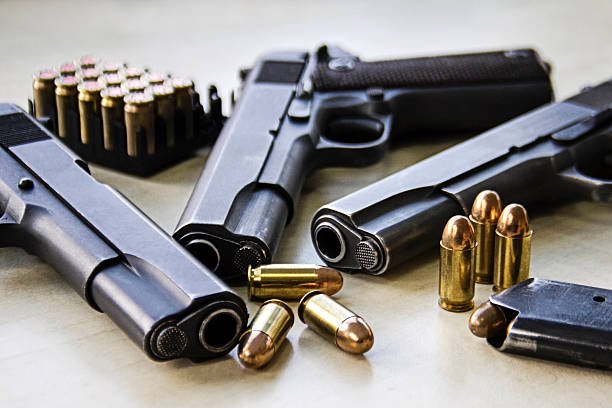
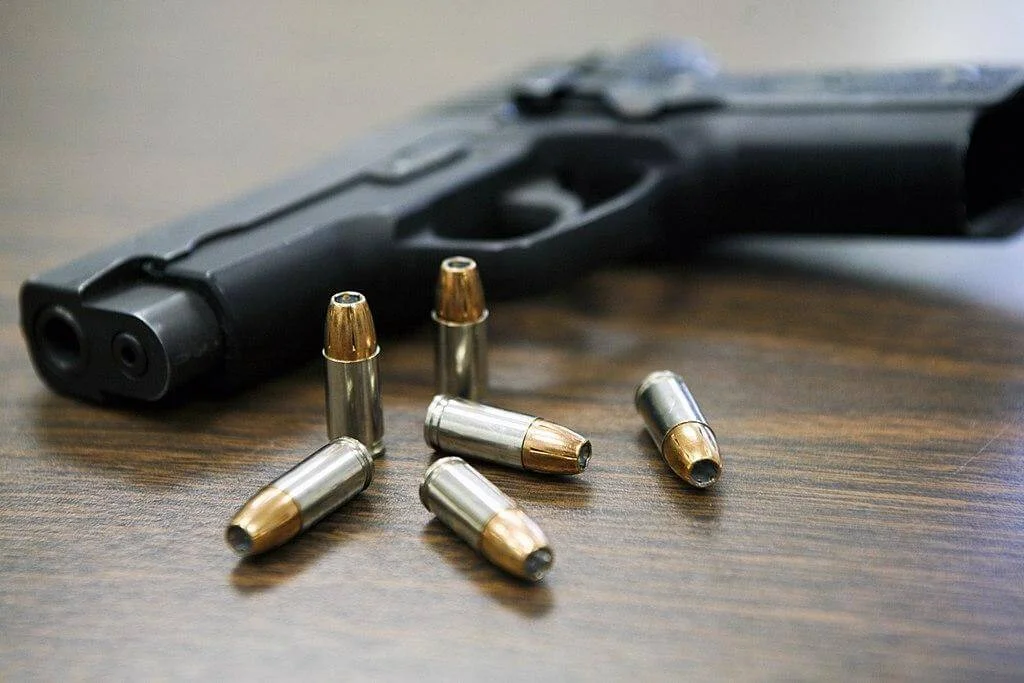
Under Section 2 of the Criminal Code of Canada, a firearm is any barrelled weapon capable of discharging a projectile that can cause serious harm or death. This includes frames or receivers of such weapons and items that can be modified to function as firearms. Even high-powered air pistols may be considered firearms if capable of inflicting serious injury
A weapon is any object used, intended, or designed to inflict injury or threaten a person. This includes firearms and tools used to restrain someone against their will (e.g., ropes or handcuffs), as defined in Section 2 of the Criminal Code.
According to Section 84(1), prohibited firearms include:
An imitation firearm mimics a real firearm in appearance and includes replicas. Even without functionality, such items can lead to charges if used in criminal acts.
A restricted firearm includes:

These include knives that open automatically (e.g., switchblades), or any other object legally categorized as too dangerous for public possession.
A handgun is a firearm intended for one-handed use, regardless of whether it can also be fired with both hands.
Major firearm-related crimes are often investigated by specialized police units such as Guns and Gangs squads. These teams handle long-term cases involving surveillance, informants, wiretaps, and sometimes undercover agents. Charges often include serious offences like attempted murder, drug trafficking, or organized crime activity.
Given the high stakes, it’s vital to have a defence lawyer skilled in handling complex and violent crime cases, including jury trials. We, at Faiz & Associates Law offer rigorous defence strategies for individuals facing these high-stakes charges.
Unauthorized Firearm Possession (Section 91)
Possessing any firearm—restricted, prohibited, or otherwise—without a valid license and (if applicable) registration certificate is a criminal offence punishable by up to five years in prison.
Unauthorized Possession in a Motor Vehicle (Section 94)
Occupying a vehicle that contains an unauthorized or illegal firearm or weapon can result in up to ten years’ imprisonment unless exemptions apply (e.g., lawful licensing by another passenger).
Possession with Ammunition (Section 95)
Having a loaded prohibited/restricted firearm, or one with accessible ammunition, without a valid licence can result in up to 10 years in prison. While mandatory minimums previously applied, the Supreme Court has struck them down, giving judges discretion based on case details.
Using a Firearm in a Crime (Section 85)
Using a firearm or imitation firearm while committing or attempting a serious crime leads to additional jail time—consecutive to any other sentence—ranging from 1 to 14 years, depending on prior convictions.
Weapons for a Dangerous Purpose (Section 88)
Possessing or carrying a weapon with intent to threaten or harm others is an offence that may lead to up to 10 years in prison.
Carrying a Concealed Weapon (Section 90)
Concealing a weapon without legal authority, even in a bag or clothing, is an offence that can result in up to five years’ imprisonment.
The Crown may present forensic evidence such as DNA, fingerprints, or ballistic tests. Defence counsel can challenge such evidence on the grounds of:
In some cases, the defence may call for independent testing or expert testimony to refute the findings.

Defence strategies often include examining whether police violated an accused’s rights under the Canadian Charter of Rights and Freedoms. Improper search warrants, illegal detentions, or unauthorized wiretaps can lead to exclusion of key evidence. If successful, a Charter application can result in an acquittal due to insufficient remaining evidence.
With extensive experience in drafting Notices of Application, Affidavits, and legal Factums, I ensure every Charter issue is fully explored and forcefully argued.
In cases where the potential sentence is or exceeds 14 years, you may choose a preliminary inquiry hearing before proceeding to trial. While most inquiries do not lead to a full dismissal, they offer valuable opportunities to cross-examine Crown witnesses and identify weaknesses in the prosecution’s case.
A well-handled inquiry can lay the groundwork for a strong trial defence, especially when testimony from vulnerable or unreliable witnesses is central to the Crown’s case.